

Last Updated on September 16, 2026 by Dr. Joseph Porter
Retainers are custom orthodontic appliances designed to help maintain the results of orthodontic treatment after braces or clear aligners. Wearing retainers as directed helps prevent teeth from shifting and protects the investment made in achieving a healthy, aligned smile.
Dr. Joseph Porter will guide you through the process of wearing and caring for your retainers, ensuring your smile stays beautifully aligned for life.
Why Are Retainers So Important?
After orthodontic treatment, the bone and soft tissues around your teeth need time to stabilize. This is why retainers are needed immediately after braces or clear aligners are removed. Wearing your retainers as instructed prevents relapse and protects the time and investment you’ve made in your smile.
What Types of Retainers Are Available?
Fixed (Bonded) Retainers
A fixed retainer is a thin wire bonded to the back of the front teeth, usually on the lower arch. This option is:
- Permanent and not removable
- Ideal for patients prone to shifting
- Low maintenance with consistent cleaning
Your family dentist will check your bonded wire at routine hygiene visits to ensure it remains clean and intact.
Removable Retainers
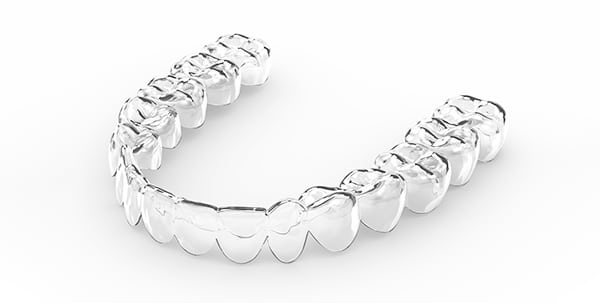
Removable retainers, such as clear Essix retainers, are custom-made to fit your teeth and keep them in their corrected positions. They are:
- Clear and discreet
- Comfortable to wear
- Easy to remove for eating and brushing
These retainers blend naturally with your smile while providing the retention needed to prevent shifting.
How Often Should Retainers Be Worn?
Full-Time Wear for the First Year
For the first year after treatment, removable retainers should be worn all the time unless eating or brushing. This supports the initial stabilization of the teeth.
Night-Time Wear After One Year
After one year, most patients switch to wearing retainers only at night. This helps maintain alignment while allowing room for wisdom tooth development.
Wisdom Tooth Monitoring
Dr. Porter will monitor your child’s or teen’s wisdom teeth every six to nine months, with X-rays taken about every 18 months to determine whether they may affect alignment.
Lifelong Retention
Once wisdom teeth are addressed, retainers should be worn at least one night per week for life. Natural age-related muscle tightening can cause shifting, making lifelong retention essential.
How Do I Care for My Retainers?
Proper care will extend the life and effectiveness of your retainers:
- Avoid heat exposure: Keep retainers away from hot water, dishwashers, dashboards, or any high-heat area that can warp the thermoplastic material.
- Always store them in a protective case: Pets love chewing retainers, so keep them safely stored.
- Clean daily: Gently brush with mild soap and a soft toothbrush, or use a denture cleaning solution such as Efferdent. Rinse thoroughly before wearing.
- Replace as needed: Your initial treatment includes one set of retainers. Lost, broken, or worn retainers require replacement for an additional fee. Contact us promptly if your retainer breaks or becomes loose.
Who Needs Stronger Retention?
Certain habits or conditions increase the likelihood of shifting and may require more frequent or long-term retention:
- Mouth breathing
- Clenching or grinding
- Tongue thrusting or low tongue posture
- Playing reed instruments
- Lip sucking
- Chewing on pens or pencils
- Teeth with spacing before treatment
- Teeth that were severely rotated
Dr. Porter will recommend a retention schedule tailored to your needs.
Do I Still Need Regular Dental Visits?
Yes. Good oral hygiene and routine dental cleanings are essential for long-term dental health, especially with retainers. Continue brushing and flossing daily, and visit your family dentist every six months for checkups and professional cleanings.
What Happens If My Retainer Needs Replacing?
One set of retainers is included in your original orthodontic treatment fee once active treatment is complete. If a retainer is lost, damaged, or worn out and needs replacing, that falls outside the original treatment fee, so a replacement cost would apply. Our team can walk you through replacement retainer costs and payment options if this comes up.
Frequently Asked Questions
Have questions about how retainers work or how to care for them? This FAQ section covers the most common topics our patients ask so you can feel confident protecting your orthodontic results.
How Long Does a Retainer Last?
With proper care, a retainer can last several years, but normal wear and tear may require occasional replacement.
What Should I Do if My Retainer No Longer Fits?
If your retainer feels tight or does not fit properly, please contact our office immediately. Do not force it into place, as this may damage the retainer or your teeth.
Can I Eat or Drink With My Retainer In?
Removable retainers should be taken out for eating or drinking anything other than water to avoid staining, damage, and trapping food against the teeth.
What Happens if I Lose My Retainer?
Call us immediately so we can replace it before your teeth begin to shift. Waiting too long may require additional orthodontic treatment.
Will a Fixed Retainer Make Cleaning My Teeth Harder?
A bonded wire requires careful flossing, but most patients adjust easily. Your hygienist can show you the best techniques to keep the area clean.